Menu
Main Menu


4 Minutes Read
There are moments in life when the world gently nudges you and says, “Look again.” Growing up in cities, surrounded by convenience, comfort and carefully curated realities, we start believing that we understand the world simply because we read enough or stay informed. We forget that parallel worlds are unfolding all around us, shaping lives in ways we might never imagine.
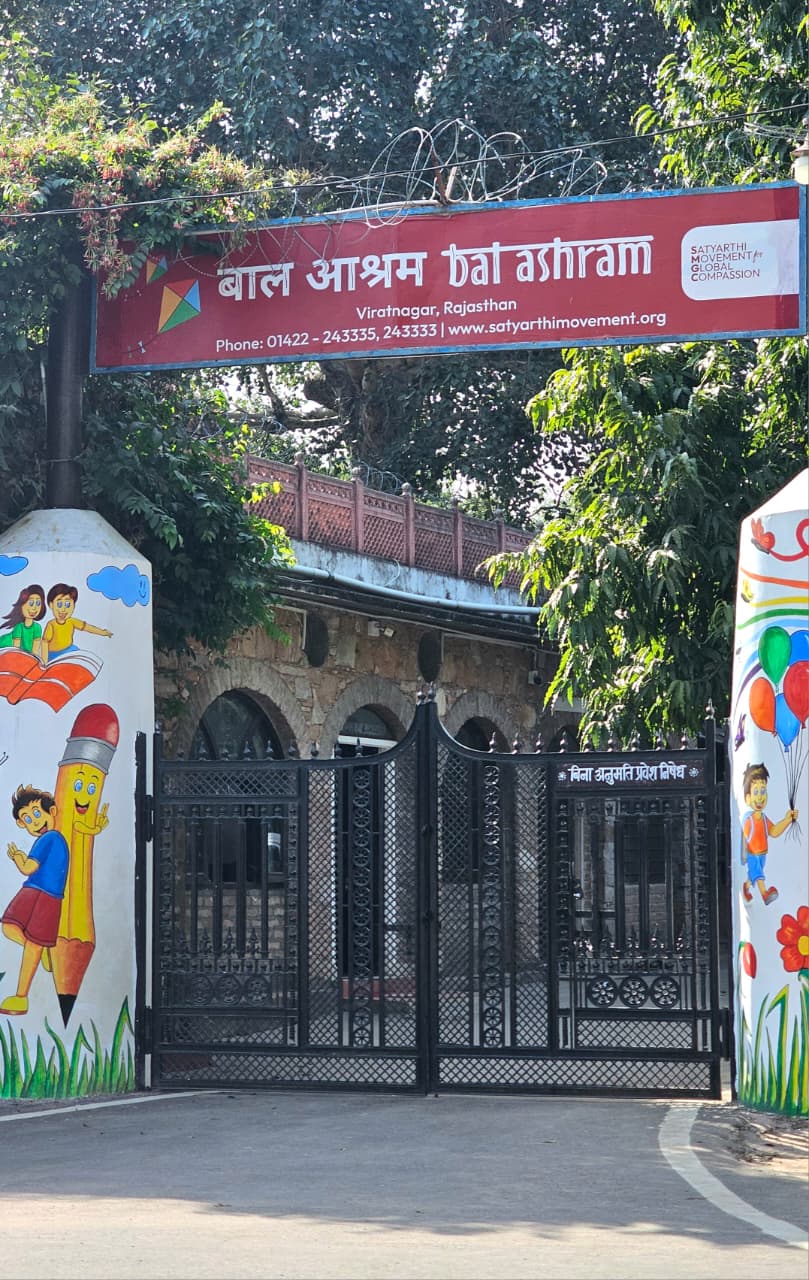
When I joined the Satyarthi Movement for Global Compassion, as a part of the orientation program I acquainted myself with videos, reports and success stories of Bal Ashram and various community models being practiced at the organisation. So I felt that I knew a lot of things even before visiting Bal Ashram: the long-term rehabilitation centre of SMGC where children rescued from trafficking, labour and exploitation rebuild their lives. The foundation of this place is built on SMGC’s belief that compassion is the most powerful force for systemic change.
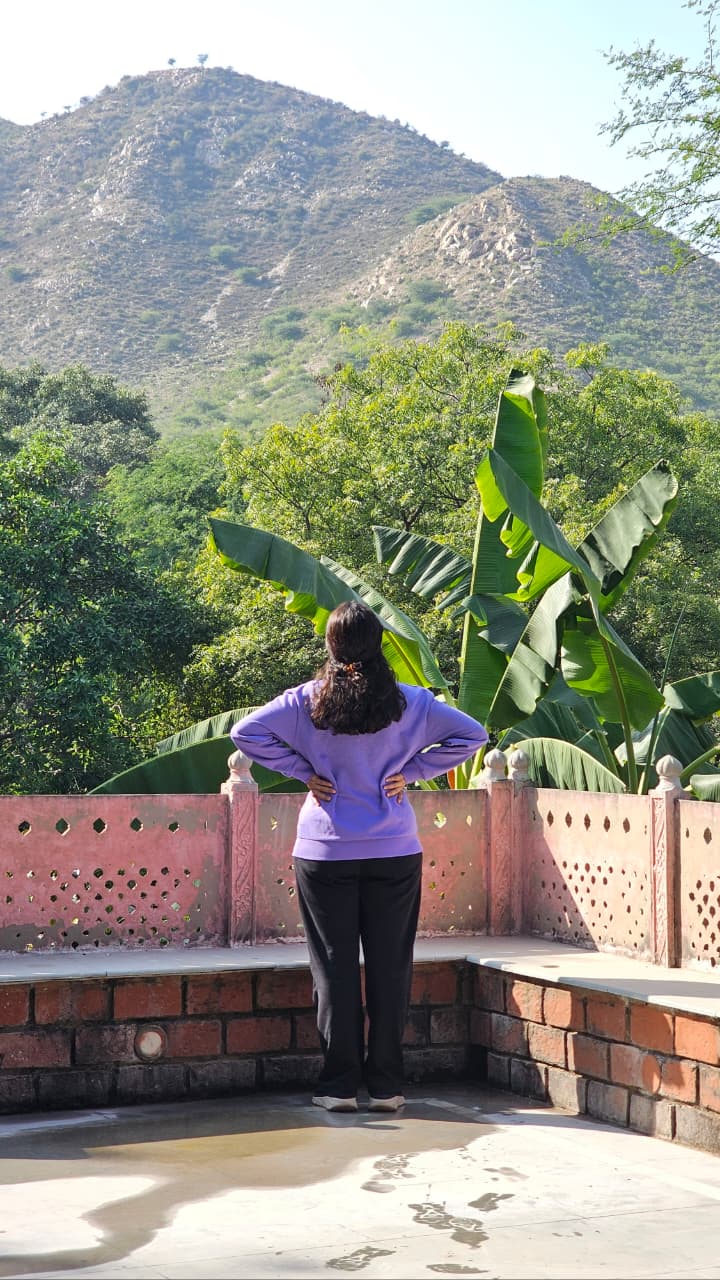
But knowing through reading and knowing through living are two entirely different things. I only realized this when our vehicle began winding through the Aravalli hills on the way to Virat Nagar.
As we drove closer, passing through villages marked with hand-painted posters declaring themselves “Bal Mitra Gram”, “Child Labour Free”; something shifted. The words I had been reading were materializing into reality.
Our group leader said something as we approached the gates: “I come here whenever I need inspiration. Once you enter, remember–you’re not an outsider. You’re a part of this place.” I didn’t understand the gravity of those words until two days later, when I was supposed to leave.
That first evening, I sat for dinner with the children. They didn’t wait for introductions; they simply saw me, smiled, and started talking. Their stories spilled out naturally! One had been rescued from the jute industry, one from the bangles industry, another from working as a child mechanic. Yet their eyes sparkled with dreams that would make any privileged student envious. One wanted to become an ethical hacker. Another, an actor. Someone else, an IAS officer.
I went to bed that night with a question burning in my mind: How do these children, who have endured so much, carry such infectious joy, such audacious hope? In cities like mine, we complain despite comfort. These children smiled despite everything!
And the answer came to me in pieces over the next two days.
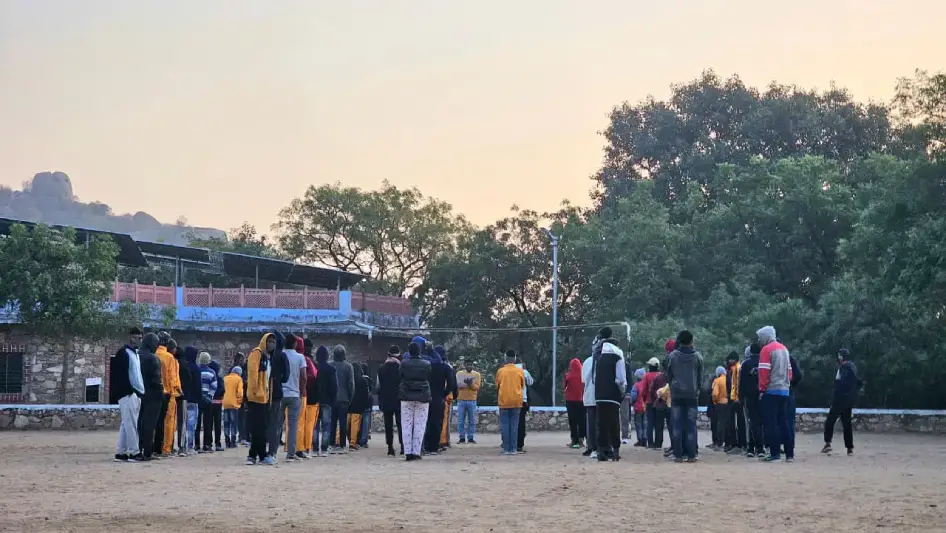
It started with the morning prayer. In the chilly dawn of the Aravallis, I stood among children reciting morning prayer in powerful unison. Their voices didn’t sound like those of rescued children; they sounded like warriors preparing for a beautiful battle. I found myself overwhelmed, unable to speak, simply absorbing an energy that felt strangely healing. The children who had come here to heal were somehow healing me.
Throughout the day, I followed their schedule. Yoga sessions. Breakfast with neem juice (yes, I tried it). Then they dispersed; some to school, others to non-formal education centres within Bal Ashram. What struck me was the richness of what they received: singing lessons, dance classes, coding, robotics, carpentry, electrical training, art and crafts along with academic subjects. This wasn’t just rehabilitation, it was reclamation. These children were being given everything they had been denied, and more.
But the real revelation came from watching the teachers. They didn’t look at these children with pity. They saw equals. They saw potential. They treated education not as charity but as a right. And because these children were seen as worthy, they too began seeing themselves as agents of change.
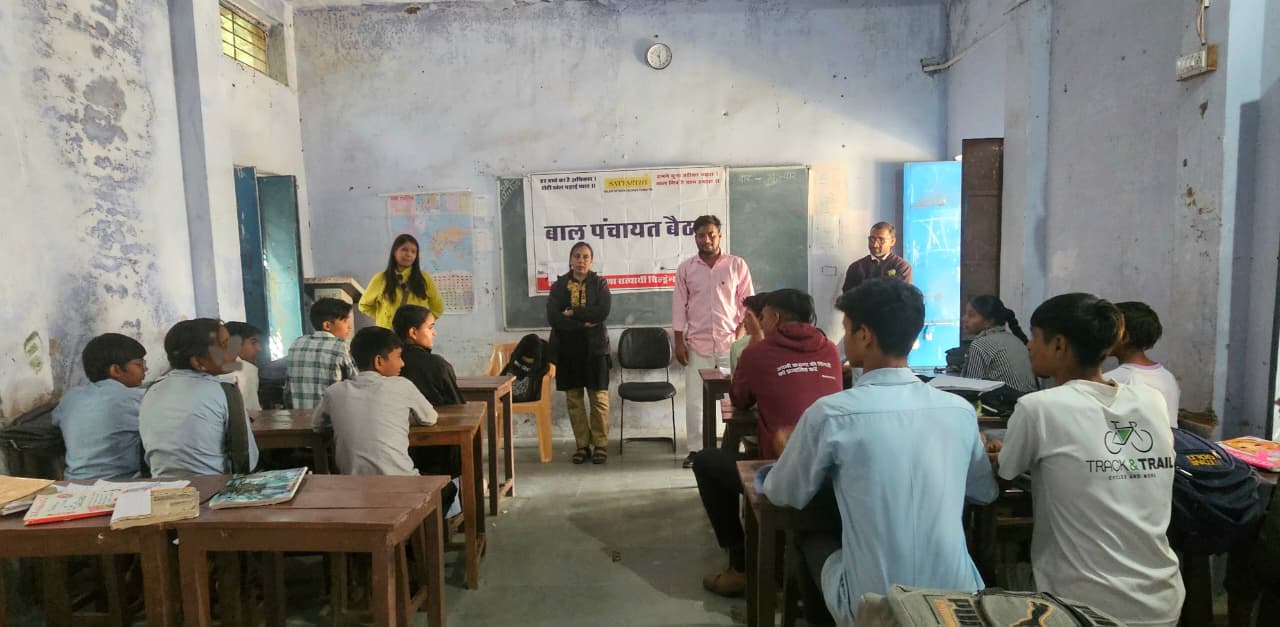
When we visited Saleta, a nearby Bal Mitra Gram (SMGC’c award-winning model of child-friendly villages), I met students who served on the Bal Panchayat (a democratically elected children’s council that works closely with Gram Panchayat). The head of council described, with quiet pride, how his team had ensured construction of a washroom in their school which was too important for girl students. He spoke of upcoming elections and plans for the next session. These weren’t children learning about democracy from textbooks; they were living it, practicing it and shaping their communities with their own hands.
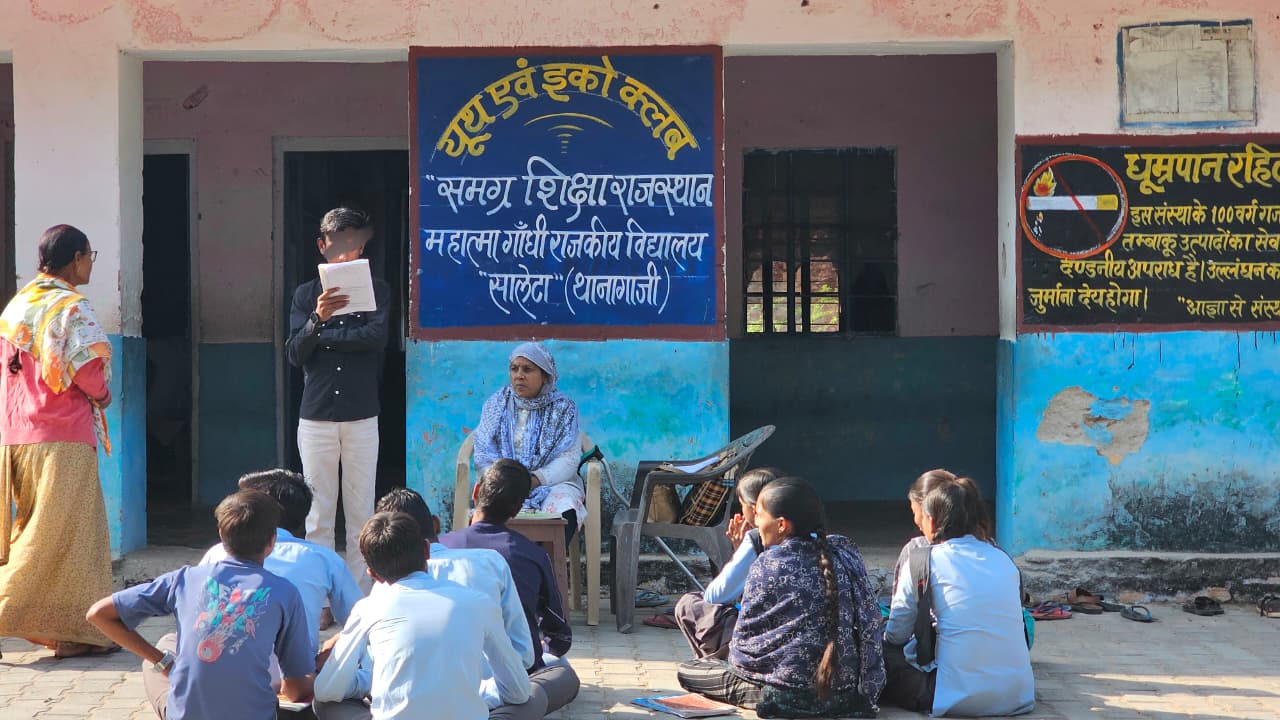
At the Banjara Education Centre (BEC), I met children from nomadic communities who had become first-generation learners. I had read about Tara, a girl from this community whose success story inspired many. But meeting her younger sister and others like her–children who now dreamed of becoming soldiers, doctors, inspectors–made me understand what transformation truly means.
On my last evening, sitting with the children at dinner, singing songs, lost in their laughter, I finally understood what makes Bal Ashram different. It’s not just a rehabilitation centre. It’s truly a “compassion lab”! A place where compassion isn’t a word or a feeling, but a living force of change. Whatever I had “read” until now, finally reached my heart.
Everything here taught me something we spend lifetimes trying to understand: we’re not just responsible for ourselves. We’re responsible for everything around us. And we must act; not just to make our lives better, but to better the lives of others too.
I left Bal Ashram carrying something infectious—compassion. One that travels into your actions, quietly transforming how you move through the world. And that, I realized, is the true power of this place!
 By Team SMGC